GAME · 2010
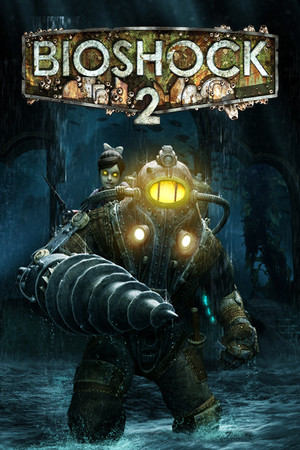
BioShock 2
- Developer
- 2K Marin
- Publisher
- 2K
- Platforms
- PlayStation 3, Microsoft Windows, macOS
34 archived facts 4 topics 1 source Last reviewed Sep 2026
17 Facts From the Development of BioShock 2
- #001
BioShock 2 was developed by 2K Marin, a studio formed in Novato, California in late 2007 by several former BioShock developers. The core team of eight began work on the game in November 2007, growing to 78 additional personnel at the peak of development.
- #002
BioShock 2's developers were given three mandates: the game would ship for PlayStation 3, it would include a multiplayer mode, and it would be delivered within two and a half years.
- #003
BioShock 2 was developed across five countries and five time zones, with 2K Marin assisted by 2K Australia, 2K China, Arkane Studios, and Digital Extremes. Digital Extremes handled the multiplayer component.
- #004
After the release of BioShock, publisher 2K executive Christoph Hartmann envisioned the series as a franchise, and in the fall of 2007 the publisher approached 2K Boston about producing a sequel. Levine and 2K Boston declined, leading to BioShock 2 being made by 2K Marin instead.
- #006
According to Jordan Thomas, the first concern in approaching a sequel was how to bring players back to an experience and shock them unexpectedly while still meeting the expectations they projected onto it.
- #007
Jordan Thomas decided early on to include the city of Rapture in BioShock 2, seeing it as a setting that could hold many previously unseen locations and untold stories.
- #008
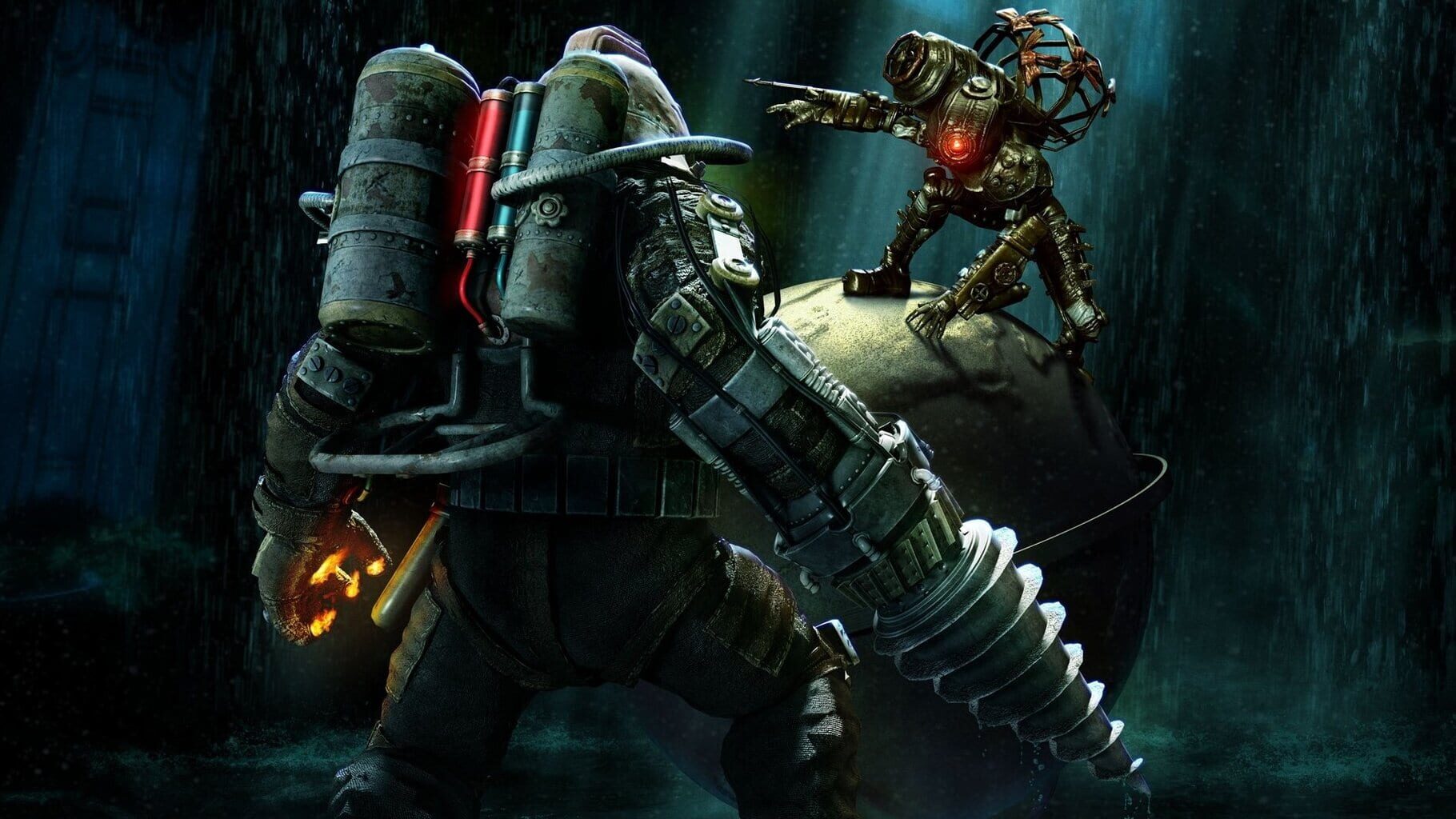
The developers chose to make the player a Big Daddy so that BioShock 2's story would be told from an insider's perspective rather than that of a stranger stumbling across Rapture, as in BioShock.
- #009
BioShock 2's developers replaced the original BioShock's hacking minigame because, according to Thomas, players who initially enjoyed it came to find it repetitive; the new version does not allow pausing, which added urgency to the gameplay.
- #010
BioShock 2 allowed players to adopt Little Sisters rather than only harvest or save them; Thomas hoped this would help players bond with the characters and make the choice more thought-provoking.
- #012
BioShock 2's team used a modified version of the Unreal Engine 2.5 game engine, which was familiar and quickened development but outdated even during the original BioShock's development and posed unique challenges, such as a user interface that had to be built with an unsupported Adobe Flash library.
- #013
BioShock 2 was originally conceived as a hybrid prequel-sequel to BioShock, featuring playable flashbacks set during Rapture's prime. According to Thomas, the flashback approach was problematic because players would sleepwalk through each visually appealing but unconvincing scene.
- #014
Contains a major spoiler — show
In an early version of BioShock 2, Eleanor was the sole Big Sister, conceived as one of the Little Sisters rescued at the end of BioShock. Unable to adjust to life on land, she returned to Rapture, became the Big Sister, and abducted children from the surface to revive Rapture.
- #015
The Big Sister in BioShock 2 was initially designed to hunt the player continuously and be unbeatable, but this was altered to give players a sense of triumph when fighting the Big Sisters.
- #031
Garry Schyman returned as the composer for BioShock 2, having also scored the first BioShock.
- #032
Schyman described scoring the follow-up to a hit game as a challenge, since praise for the BioShock soundtrack had set a high bar.
- #033
For BioShock 2, Schyman kept some elements and motifs from the first game, including solo violin and mid-20th century compositional techniques, while moving in new directions.
- #034
Schyman said that despite high expectations, having played BioShock and working within an established style made composing for BioShock 2 easier, and more audio cues were added for each level's combat sequences than in the first game.
Sources & editorial notes
Sources for the entries on this page
- Wikipedia BioShock 2 — Wikipedia
Information from external sources is independently selected, consolidated and edited by Arka Evren. Sources are listed for verification and further reading. Encyclopedia text is used under its licence (CC BY-SA). How we work