AnalysisTV series
The Best of Television History: Breaking Bad
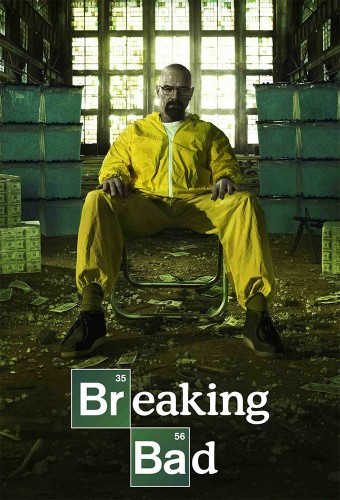
Breaking Bad is a shocking story revolving around the main character Walter White. However, this shock does not come about merely by dramatizing the scenes. In this series, a scientific path strong enough to contain theories about psychology has been followed. Alongside this, the series reveals what a chemistry teacher like Walter White can do through scientific means. But that is not the point. The point is Walter White's development, change, transformation.
Most people were affected by Walter White saying in the final episode, "I did it for me, because, I felt, I was alive," whereas this was something I already knew even in the years when I started watching the series, something based on hedonism. Walter White, sometimes as Heisenberg, was a hedonist, a pragmatist, an opportunist. Sometimes a Machiavellian, sometimes a manipulator, sometimes a killer, but most of all he was a drug manufacturer who had wronged millions of people in the world.
Breaking Bad places Walter White exactly at the center of the story, and everything around him interacts with him. Each passing season, each episode, each scene, each minute reveals what W.W. can do for his own benefit. In fact, the line "I did it for me" at the end of the series is a story that begins at the end of season 1, episode 6. In the first episode of the first season, he did various things to earn money for his family, not to die, not to get caught, not to be arrested. But the fact that everything was for himself lay in Walter White's being happy as if having a crisis after forcibly taking his money from Tuco and getting into his vehicle.
Breaking Bad also shows how even very fine details can lead to what consequences.
The series winks at both psychology and sociology. It uses science here and there. It is built on fine details.
It is the highest point of television history. Perhaps one day something better will be made, but for now Breaking Bad is at the number one spot.