

GAME · 2017 · CANADA
Cuphead
- Developer
- Studio MDHR
- Publisher
- Studio MDHR
- Platforms
- Microsoft Windows, macOS
26 archived facts 5 topics 2 sources Last reviewed Nov 2026
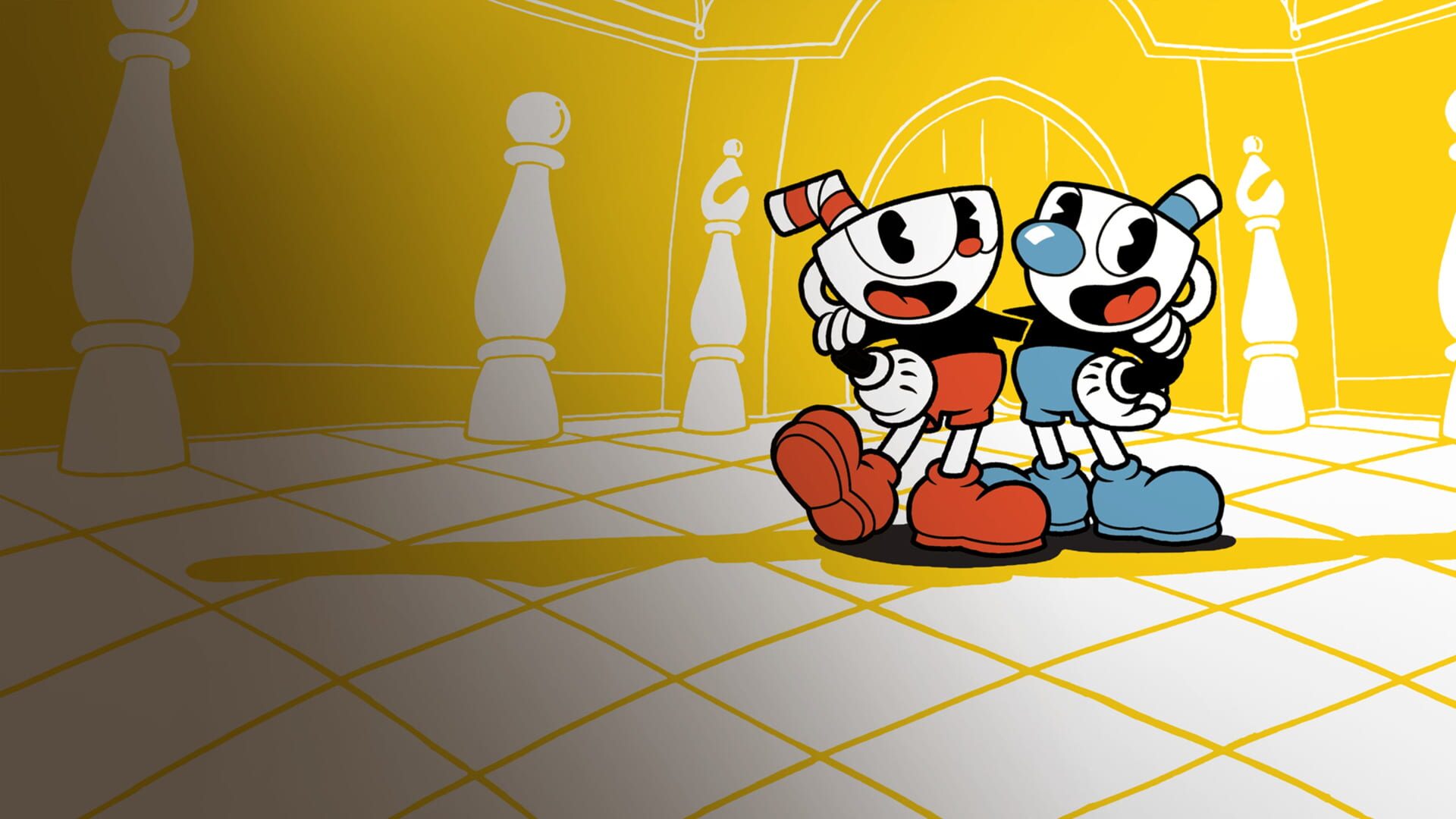
26 Interesting Facts About Cuphead
Interesting Facts (15)
- #001
Unusually for a video game, the characters, items and other sprites were drawn with traditional cel and ink animation and then colored in Photoshop, while the backgrounds were hand-painted in watercolor, the way 1930s cartoons were made, and scanned in.
- #002
It was first due out in 2015, but was pushed to 2017 to stay clear of that year's other big releases.
- #003
Cuphead and Mugman normally wear white gloves, but on the results screen the brothers' gloves turn yellow.
- #004
The Moldenhauer Brothers took most of their inspiration from Walt Disney and Max Fleischer: Mickey Mouse and Oswald Rabbit shaped Cuphead's and Mugman's designs, Betty Boop gave Cala Maria her figure, and Popeye supplied Captain Brineybeard, a boss modeled on Bluto as he looks in the 1936 Popeye the Sailor Meets Sindbad the Sailor.
- #005
Licensing for the game is handled by King Features Syndicate, which, as it happens, also publishes the original Popeye comics that Fleischer's 1930s cartoons were based on.
- #006
In some early concept drawings, Djimmi the Great was a woman.
- #007
The soundtrack is live jazz and big band music recorded by a 17-piece orchestra, which adds to the vintage feel.
- #008
Development took more than seven years, with a small team of about a dozen people refining the visuals and gameplay.
- #009
Cuphead was first drawn with a cigar in his mouth, a nod to the earliest cartoons, but it was later taken out to keep the game family-friendly.
- #010
The fights with Djimmi the Great and Grim Matchstick feature constantly rotating models of Egyptian ruins and a medieval tower, respectively, in the background. This is a nod to Fleischer Studios' 'Tabletop Process', in which cels were placed in front of a rotating model to create three-dimensional backgrounds.
- #011
Cuphead and Mugman's gloves usually appear white; however, when the player receives results, the brothers' gloves are yellow.
- #012
Chad Moldenhauer described Max Fleischer's work as the 'magnetic north' of his art style and stated that he wanted to imitate the 'subversive and surreal' nature of Fleischer's work.
- #013
The game's merchandising rights belong to King Features Syndicate. Coincidentally, this company is also the publisher of the original Popeye comics that formed the basis of Fleischer's 1930s cartoons.
- #014
Some early concept drawings of Djimmi the Great depicted the character as a woman initially.
- #015
Cuphead's in-game music consists of live jazz and big band pieces recorded by a 17-person orchestra, reinforcing the vintage atmosphere.
Production Story (5)
- #016
Cuphead looks to the golden age of American animation, Disney and Fleischer Studios above all, and to cartoonists Ub Iwerks, Grim Natwick and Willard Bowsky. Chad Moldenhauer called Fleischer Studios "the magnetic north of his art style" and set out to recreate its "subversive and surrealist" qualities.
- #017
The character who became Cuphead started with a 1936 Japanese propaganda cartoon featuring a teacup-headed figure; the Moldenhauers copied its animation because it struck them as strange, and the idea stuck immediately.
- #018
The developers planned several difficulty levels and swapped the usual damsel-in-distress plot for one in which Cuphead keeps landing himself in trouble.
- #019
Cuphead's developers set out to beat the Guinness World Record for boss battles in a run-and-gun game, aiming for more than 30 against the 25 in record-holder Alien Soldier.
- #020
Cuphead's art style is largely inspired by 1930s Fleischer and Disney cartoons, and all animations were hand-drawn on paper, then scanned and digitally colored.
Behind the Scenes (3)
- #021
Chad Moldenhauer, who came from graphic design, drew Cuphead's animations by hand and painted its backgrounds in watercolours, colourizing everything in Photoshop.
- #022
Cuphead plays at sixty frames per second, but its animation runs at 24 frames per second, the standard rate of American film.
- #023
The developers reworked many parts of Cuphead's gameplay, including how moves feel at the edge of a platform and how long the player is left helpless after taking a hit.
Deeper Meaning (2)
- #024
The Moldenhauer Brothers came up with the idea of a Cuphead-like game in the early 2000s, but lacked the resources to make it, so they waited until the 2010s, when the technology they needed was finally within reach.
- #025
Chad Moldenhauer said the human imperfections deliberately left in Cuphead's art were a reaction against the perfectionism of modern pixel art.
Life & Family (1)
- #026
The Moldenhauer brothers grew up in Regina, Saskatchewan, where their parents gave them VHS compilations of early golden-age cartoons to watch as kids.
Sources & editorial notes
Sources for the entries on this page
- Wikipedia Cuphead — Wikipedia
Information from external sources is independently selected, consolidated and edited by Arka Evren. Sources are listed for verification and further reading. Encyclopedia text is used under its licence (CC BY-SA). How we work