GAME · 2018
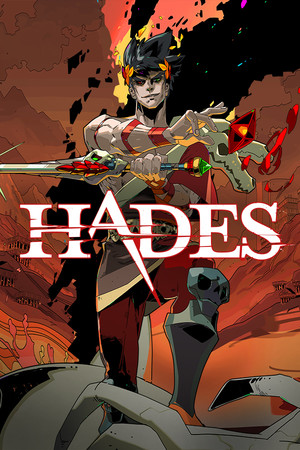
Hades
- Developer
- Supergiant Games
- Publisher
- Supergiant Games
- Platforms
- Microsoft Windows, macOS, Xbox Series X and Series S
16 archived facts 3 topics 1 source Last reviewed Sep 2026
All facts (16)
- #001
After releasing Pyre, Supergiant Games sought to open up its development process, aiming to use player feedback to refine both gameplay and narrative elements.
- #002
Supergiant Games chose an early access approach for Hades, doing so only after the game's foundation had been established.
- #003
Supergiant Games chose to launch Hades in early access on a single platform because the studio was still a small team of about 20 employees, with ports to other platforms planned near the game's completion.
- #004
Supergiant Games selected the Epic Games Store for Hades after speaking with Epic Games and learning of its intent to launch its own store, feeling the experimental platform suited the game.
- #005
Supergiant Games expected Hades to take about three years to complete, comparable to the development time of its previous titles.
- #006
The roguelike structure of Hades aligned with Supergiant's past design goals of continually adding new tricks or tools that push players to reconsider how they have been playing.
- #007
Supergiant's creative director Greg Kasavin proposed Greek mythology as the setting for Hades, a subject he had been interested in since his youth.
- #008
Hades was originally planned under the name Minos, with Theseus as the player-character attempting to escape the ever-shifting mazes of Minos.
- #009
Supergiant dropped Theseus as the lead of Hades because they judged him too generic a character for their narrative.
- #010
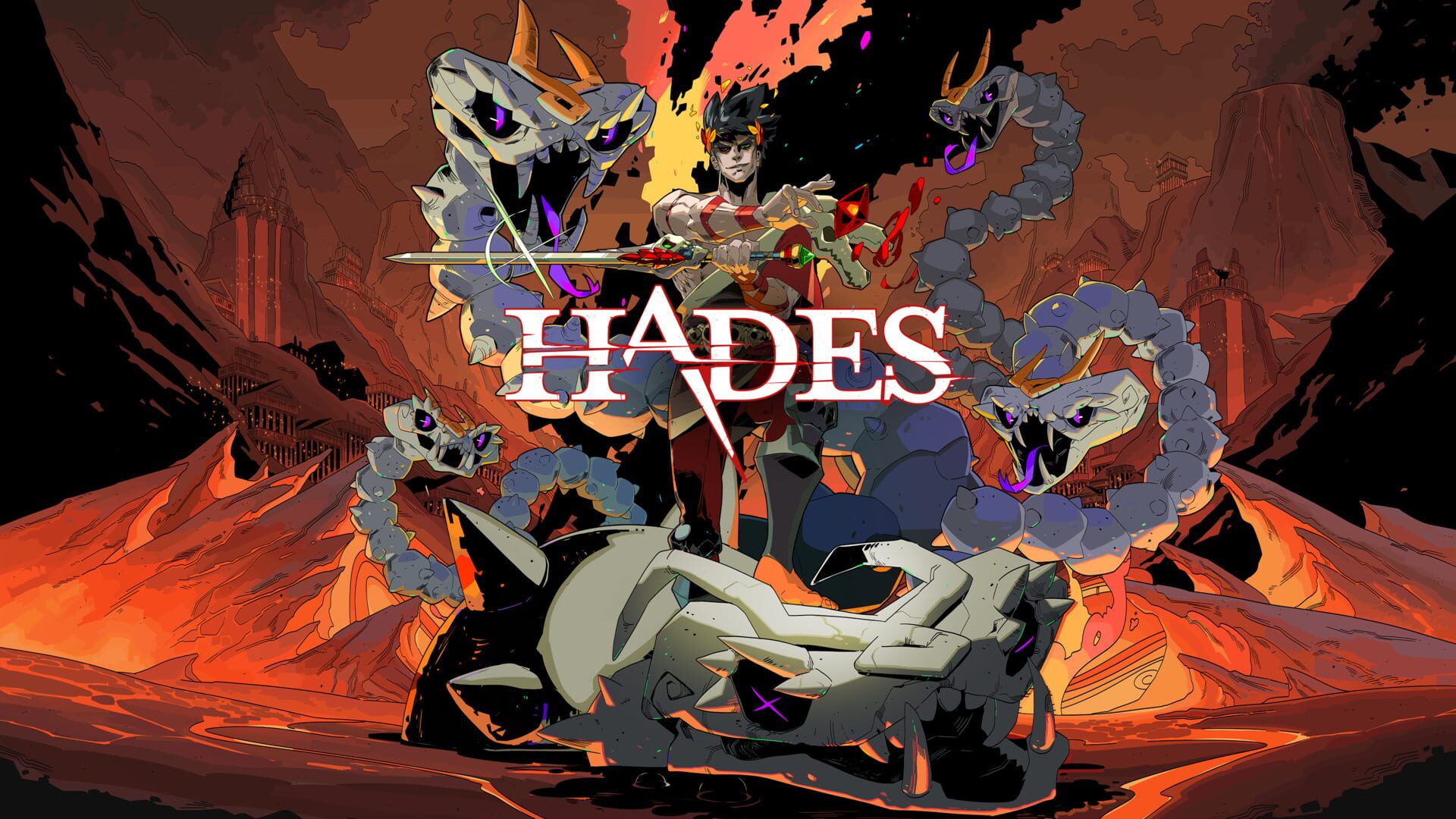
Kasavin described the Greek gods as a dysfunctional family players could relate to, and said Zagreus's repeated failed escapes would deliver slapstick comedy and mirror the roguelike experience of feeling invincible before being quickly defeated and returned to the start.
- #011
The Greek god narrative in Hades informs the benefits players gain as they progress, representing the gods' different powers, and elements such as Trials of the Gods emphasize the gods' fickle relationships; dialogue advances with each run, making every escape attempt meaningful compared to traditional roguelikes, which Supergiant felt would draw more players in.
- #012
In Hades, chained dialog events could depend on earlier encounters: a player might meet Eurydice during a run and, after returning to the hub following a failed run, meet her husband Orpheus, who then asks the player to carry a message to Eurydice at their next meeting.
- #013
The dialog events in Hades were also connected to improvements at the hub once the player completed a chain of events.
- #014
One side narrative in Hades explores the gay relationship between Achilles and Patroclus.
- #015
During the development of Hades, Supergiant Games chose to rewrite its custom game engine to improve game performance and cross-platform support.
- #016
For Hades, Supergiant rebuilt its engine in C++ on the framework The Forge, citing technical limitations, hardware porting difficulties and other performance aspects as reasons to gain the increased performance of native code.
Sources & editorial notes
Sources for the entries on this page
- Wikipedia Hades (video game) — Wikipedia
Information from external sources is independently selected, consolidated and edited by Arka Evren. Sources are listed for verification and further reading. Encyclopedia text is used under its licence (CC BY-SA). How we work