

ACTOR · BORN 1932 · DIED 2025
Tatsuya Nakadai
- Born
- 13 December 1932, Meguro, Tokyo, Japan
- Died
- 8 November 2025
- Known for
- Yojimbo (1961), High and Low (1963), Tsubaki Sanjûrô (1962), Kagemusha (1980)
23 archived facts 4 topics 1 source Last reviewed Nov 2026
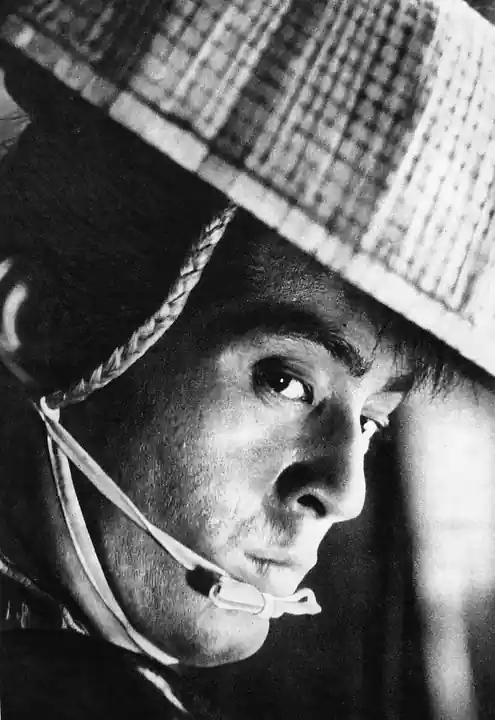
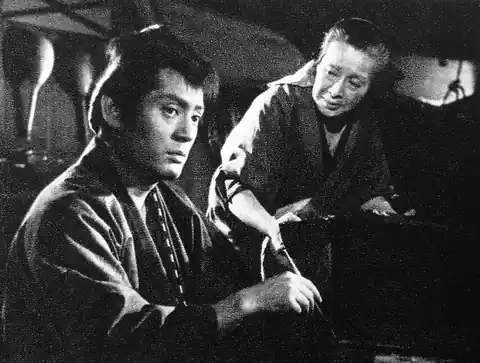
Tatsuya Nakadai (13 December 1932 – 8 November 2025) was an actor best known for Yojimbo, High and Low and Tsubaki Sanjûrô.
23 Interesting Facts About Tatsuya Nakadai
Interesting Facts (4)
- #001
Although Tatsuya Nakadai and Toshirō Mifune often faced each other in rival roles on screen, the two are known to have been close friends in real life. This friendship is regarded as a sign of the mutual respect and professional solidarity between two giants of Japanese cinema. Against Mifune's powerful and charismatic presence, Nakadai's cool and intelligent performances made them an unforgettable pair. Their friendship also carried over into the atmosphere of the films they made together, making their on-screen conflicts all the more convincing.
- #002
On the set of Seven Samurai (1954), while still a 19-year-old extra, Tatsuya Nakadai suffered a humiliating scolding from Akira Kurosawa, after which he began working with great determination to improve his acting skills. His goal was to become a good enough actor to be able to turn down any future offer from the director. The role in question was an extra who appears on screen for only a few seconds and is not credited; yet Kurosawa's meticulousness even for such a brief appearance left a deep impression on Nakadai. Nakadai never learned why he was not simply replaced with another actor, which is why the incident has remained a mystery.
- #003
Tatsuya Nakadai spoke some of his dialogue in Mandarin in The Human Condition I: No Greater Love (1959) and in English in Kill! (1968). He stated, however, that he memorized these languages phonetically and described himself as "terrible" at learning new languages.
Tatsuya Nakadai: a sceneImage: Wikimedia Commons · 国際情報社, Public domain - #004
Although the difference was hardly noticeable in the films they appeared in together, Tatsuya Nakadai was in fact taller than Toshiro Mifune. He was also one of the rare Japanese actors who could look the nearly six-foot-tall director Akira Kurosawa in the eye. These physical traits helped him create an authoritative and imposing presence on screen. Nakadai's height was unusual, especially in the Japanese cinema of the period, and stood out as a quality that set him apart from other actors.
Tatsuya Nakadai: a sceneImage: Wikimedia Commons · 国際情報社, Public domain
Behind the Scenes (2)
- #005
From the 1950s to the 1970s, it was common practice in Japan for actors, especially leads, to perform their own stunts, but Masaki Kobayashi's sets were especially dangerous for Nakadai. During the shooting of The Human Condition, in the scene where Nakadai's character Kaji stands up to more experienced soldiers in his rookie unit, he was genuinely beaten by the other actors. According to Nakadai, his face swelled so badly that it had to be covered with makeup so filming could continue the next day. The incident lays bare the harsh conditions on film sets of the era and the risks actors accepted.
- #006
During the apocalyptic castle-burning scene in Akira Kurosawa's epic Ran (1985), Tatsuya Nakadai's beard actually caught fire. The scene is considered one of the film's most striking and memorable moments, and the accident shows how deeply the actor committed himself to the role. Recounting the incident years later, Nakadai stated that such risks were accepted for the sake of the scene's realism. The anecdote reveals how important practical effects and the actors' physical courage were to the filmmaking approach of the period.
Characters & Cast (11)
- #007
Kurosawa had not initially considered Tatsuya Nakadai for the role of Unosuke in Yojimbo (1961). When chief assistant director Shiro Moritani suggested Nakadai for the part, Kurosawa is said to have replied, "I don't like Nakadai, and if a director doesn't like an actor, he shouldn't cast him as one of the leads." Moritani, however, pointed out that Nakadai's talents were already widely recognized in Japan at the time and asked Kurosawa which of his films he had seen. When Kurosawa admitted he had seen none of Nakadai's films, Moritani suggested he watch his performance in Seppuku (Harakiri). The suggestion changed Kurosawa's mind and led him to cast Nakadai, giving rise to one of the most memorable rivalries in cinema history.
- #008
Tatsuya Nakadai played both the main antagonist and the main hero in two different films adapted from Shûgorô Yamamoto's novel "Peaceful Days." He first appeared as Hanbei in Sanjuro (1962), then took the lead as Genta in Kill! (1968). Although both films draw on the same source, they reflect the cinematic sensibilities of different directors and eras. Nakadai's successful portrayal of these two opposing characters reveals the breadth of his acting range.
- #009
On the set of Seven Samurai (1954), while still a 19-year-old extra, Nakadai suffered Akira Kurosawa's humiliating scolding, and after this incident he began working with great determination to improve his acting skills. His goal was to become a good enough actor to be able to turn down any future offer from the director. The role in question was an extra who appears on screen for only a few seconds and is not named in the credits; yet Kurosawa's being so meticulous even about this brief appearance left a deep impression on Nakadai. Nakadai never learned why he was simply not replaced with another actor, which allowed the incident to retain its mystery.
- #010
Kurosawa had not initially considered Nakadai for the role of Unosuke in Yojimbo (1961). When assistant director Shiro Moritani suggested Nakadai for the role, Kurosawa is said to have remarked, "I don't like Nakadai, and if a director doesn't like an actor, he shouldn't cast him as one of the leads." However, Moritani noted that Nakadai's talents were already widely recognized in Japan at the time and asked Kurosawa which of his films he had seen. When Kurosawa admitted he had not seen any of Nakadai's films, Moritani suggested he watch his performance in Seppuku (Harakiri).
- #011
Nakadai spoke some of his dialogue in Mandarin in The Human Condition I: No Greater Love (1959) and in English in Kill! (1968). However, he stated that he memorized these languages phonetically and described himself as "terrible" at learning new languages. These multilingual performances also reveal his ability to take part in international projects.
- #012
Nakadai's first appearance in cinema is a scene in Seven Samurai (1954) in which he appeared as an extra and which lasts about 4 seconds in total. For this brief appearance, Akira Kurosawa gave a lesson lasting more than 5 minutes on how a masterless samurai should walk. For Nakadai, this experience was an unforgettable lesson at the start of his film career.
- #013
Although Nakadai is most associated with his work with Masaki Kobayashi, Kobayashi was his second most prolific collaborator. Among the directors he worked with most frequently are Kihachi Okamoto with 12 films, Kobayashi with 11 films, Hideo Gosha with 10 films, Akira Kurosawa and Kon Ichikawa with six films each, and Mikio Naruse with 5 films. His longest collaboration was with Ichikawa, with whom he made his first film in 1958 and his last in 2006.
- #014
Nakadai played both the main antagonist and the main protagonist in two different films adapted from Shûgorô Yamamoto's novel "Peaceful Days." First appearing as Hanbei in the 1962 production Sanjuro, Nakadai took the lead role as Genta in the 1968 film Kill!. Although both films draw from the same source, they reflect the cinematic sensibilities of different directors and eras. Nakadai's successful portrayal of these two opposing characters reveals just how wide his acting range was.
- #015
Although the difference was hardly noticeable in the films they appeared in together, Nakadai was actually taller than Toshiro Mifune. He was also one of the rare Japanese actors who could meet the eye of director Akira Kurosawa, who stood nearly six feet tall. These physical traits helped him create an authoritative and imposing presence on screen. Nakadai's height was unusual, especially in the Japanese cinema of the period, and stood out as a feature that set him apart from other actors.
- #016
Among the film heroes Nakadai admired in his childhood and youth were legendary Hollywood names such as John Wayne, Gary Cooper and Marlon Brando. The charismatic performances and powerful screen presences of these actors were influential in shaping the young Nakadai's acting career. This influence contributed to his development in later years of a versatile acting style nourished by both Japanese and Western cinema. In this way, Nakadai blended the acting traditions of different cultures to create a style of his own.
- #017
While working with the "New Theatre" group, Nakadai appeared in many plays written by Kôbô Abe and also took roles in film adaptations of Abe's works; the screenplays for these adaptations were usually written by Abe himself. This theatre group, particularly through Abe's collaborations with director Hiroshi Teshigahara, controversially introduced avant-garde concepts to Japanese theatre and cinema. Nakadai's involvement in these projects shows that he was open to experimental and innovative work. These experiences enriched his understanding of acting and led him to take part in productions that pushed the boundaries of Japanese cinema.
Career & Awards (6)
- #018
Throughout his career, Tatsuya Nakadai successfully played characters far removed from his own age. In Harakiri (1962) he played a samurai in his fifties at the age of 33, while in Kwaidan (1964) he portrayed an 18-year-old woodcutter at the age of 36. In Ran (1985), at 56, he played the nearly 80-year-old warlord Hidetora. These performances are regarded as a sign of his acting ability and his capacity to penetrate a character deeply. Nakadai is remembered as one of Japanese cinema's most versatile actors.
- #019
Tatsuya Nakadai's first screen appearance was as an extra in Seven Samurai (1954), in a scene lasting about 4 seconds in total. For this brief appearance, Akira Kurosawa spent more than 5 minutes instructing him on how a masterless samurai should walk. The incident shows how much importance Kurosawa attached to even the smallest detail and how high a standard of performance he expected from his actors. For Nakadai, the experience was an unforgettable lesson at the start of his film career.
- #020
Although Tatsuya Nakadai is most often associated with his work with Masaki Kobayashi, Kobayashi was only his second most frequent collaborator. Among the directors he worked with most are Kihachi Okamoto with 12 films, Kobayashi with 11, Hideo Gosha with 10, Akira Kurosawa and Kon Ichikawa with six each, and Mikio Naruse with 5. His longest collaboration was with Ichikawa, with whom he made his first film in 1958 and his last in 2006.
- #021
Among the film heroes Tatsuya Nakadai admired in his childhood and youth were legendary Hollywood names such as John Wayne, Gary Cooper and Marlon Brando. These actors' charismatic performances and strong screen presence helped shape the young Nakadai's path toward an acting career. This influence contributed to his developing a versatile acting style nourished by both Japanese and Western cinema. In this way, Nakadai blended the acting traditions of different cultures to create a style of his own.
- #022
While working with the "New Theatre" group, Tatsuya Nakadai appeared in many plays written by Kôbô Abe and also took roles in film adaptations of Abe's works, the screenplays for which were usually written by Abe himself. This theatre group, particularly through Abe's collaborations with director Hiroshi Teshigahara, controversially introduced avant-garde concepts to Japanese theatre and cinema. Nakadai's involvement in these projects shows his openness to experimental and innovative work. These experiences enriched his understanding of acting and led him to appear in productions that pushed the boundaries of Japanese cinema.
- #023
In 2016, Tatsuya Nakadai was invited to join the Actors Branch of the Academy of Motion Picture Arts and Sciences (AMPAS). The invitation is regarded as a sign of the highly respected position he holds in the international film community. AMPAS is known as the organization that presents the Oscars, and membership is considered a significant honor in the film world. Nakadai's acceptance of the invitation shows that his career has been recognized internationally as well.
Sources & editorial notes
Reference databases
- Wikipedia
- IMDb
Information from external sources is independently selected, consolidated and edited by Arka Evren. Sources are listed for verification and further reading. Encyclopedia text is used under its licence (CC BY-SA). How we work