

ACTOR · BORN 1914 · DIED 1994
Woody Strode
- Born
- 25 July 1914, Los Angeles, California, USA
- Died
- 31 December 1994
- Known for
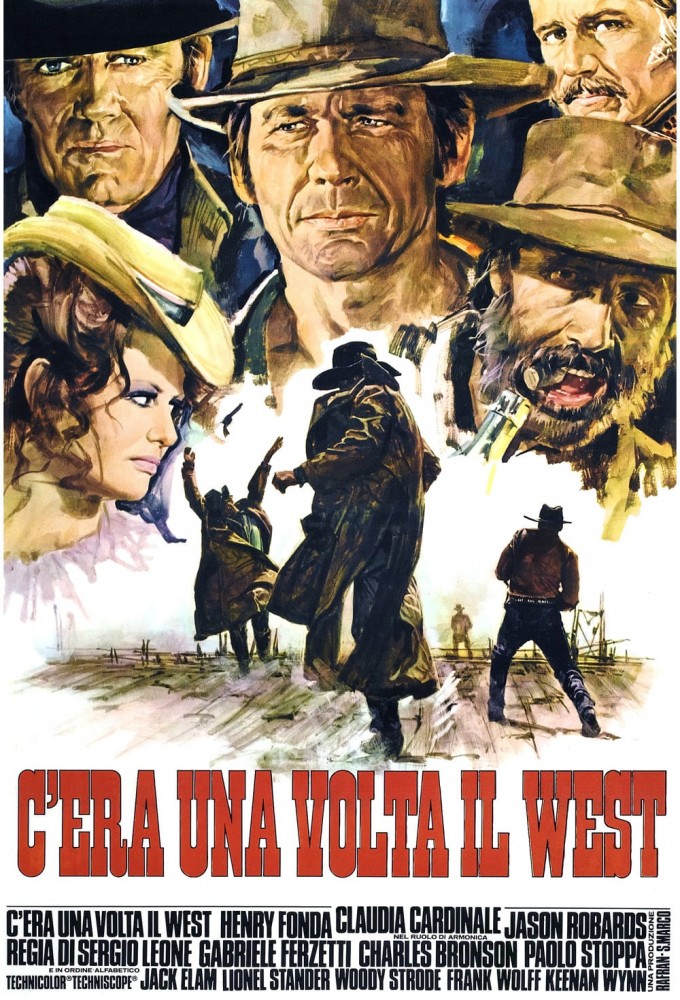
- C'era una volta il West (1968), The Professionals (1966), La mala ordina (1972), The Revengers (1972)
28 archived facts 3 topics 1 source Last reviewed Nov 2026
Woody Strode (25 July 1914 – 31 December 1994) was an actor best known for C'era una volta il West, The Professionals and La mala ordina.
28 Interesting Facts About Woody Strode
Interesting Facts (10)
- #001
On the highly macho set of the 1966 film The Professionals, Burt Lancaster, known for his extraordinary physical strength, frequently challenged Woody Strode to feats of strength. Lancaster lost to him repeatedly, which shook him deeply and hurt his morale. The episode showed that Strode was not only an actor but also a genuine athlete.
- #002
Woody Strode modeled for one of two paintings Adolf Hitler commissioned for the 1936 Berlin Olympics. These paintings were among the propaganda art works of the period. Strode's experience shows that even early in his life he was involved in striking and unusual events.
- #003
From the early 1960s until John Ford's death, Woody Strode formed a close friendship with the director. During his struggle with cancer, Ford preferred Strode's company to that of other actors. Ford often answered criticism that his films were racist by saying, 'But my best friend Woody Strode is Black'; this defense sparked controversy.
- #004
The name of the beloved character Woody in the Toy Story films comes from Woody Strode, who appeared in many classic Westerns. The naming is regarded as a sign of Strode's influence and legacy in the world of cinema. In this way Strode continues to live on in the world of animation as well.
- #005
According to Disneyland Vice President Tony Baxter, in 1954 Jungle Cruise designer Harper Goff hired Woody Strode to make a cast of his large muscular build. The cast was used for the statues of the African natives on the ride. The same cast was also used for the bodies of the Indian figures in Frontierland, so Strode's physical features inspired iconic Disneyland figures.
- #006
In the early 1950s Woody Strode had a long relationship with the troubled actress Barbara Payton. The relationship took place at a time when relations between a Black man and a white woman were unheard of in Hollywood and illegal in many parts of the United States. The couple kept their relationship secret, but when it leaked, combined with Payton's mental problems and substance addiction, her career and life were ruined.
- #007
When the Los Angeles Rams gave Kenny Washington a tryout, the team also signed Woody Strode as a lineman and made him Washington's roommate. The decision helped the two players adapt together and support each other within the team. Strode's presence eased Washington's transition to professional football.
- #008
According to John Capouya's biography of Gorgeous George, Woody Strode visited his old friend in late 1963. On this visit, seeing the serious deterioration in Gorgeous George's health, Strode was both shocked and deeply saddened. The episode shows how strong the friendship between the two was.
- #009
In the Italian Films Shooting column of the 5/6/70 issue of Variety, a film titled 'Violence' shot in Morocco was listed. Directed by Damiano Damiani, the film featured names such as Susan Strasberg, Farley Granger, Woody Strode, Adolfo Celi and Terence Hill. The production companies were given as Nyima Films and Western Intl. of Los Angeles, with Paris-Etoile as distributor. However, there is no evidence that the film was ever completed or distributed.
- #010
Woody Strode was the inspiration for the character Hawk in Robert B. Parker's 'Spenser' detective novel series. Hawk stands out as an important and mysterious figure in the series. Strode's strong and charismatic presence was influential in the creation of this literary character.
Characters & Cast (11)
- #011
From the early 1960s until John Ford's death, Woody Strode established a close friendship with the director. During his battle with cancer, Ford preferred Strode's companionship over that of other actors. Ford often responded to criticism that his films were racist by saying, 'But my best friend Woody Strode is Black'; this defense sparked controversy.
- #012
The name of the beloved character Woody in the Toy Story films comes from Woody Strode, who appeared in many classic Western films. Thus, Strode continues to live on in the world of animation as well.
- #013
According to Disneyland Vice President Tony Baxter, in 1954, Jungle Cruise designer Harper Goff hired Woody Strode to make a cast of his large muscular physique. This cast was used for the statues of the African natives on the ride. The same cast was also used for the bodies of the Native American figures in Frontierland; thus, Strode's physical features inspired Disneyland's iconic figures.
- #014
As the 'Golden Age' of professional wrestling on television began in the 1940s, Woody Strode stepped into this arena and entered the ring as a 'Babyface' (hero). He became both a successful and audience-loved wrestler. However, as his popularity in cinema grew, he chose to leave wrestling; this decision was a significant turning point in his career.
- #015
Before moving to professional football in 1946, Woody Strode played in semi-professional leagues. This period was important for him to develop his athletic abilities and prepare for his professional career. His semi-professional experience laid the foundation for his later successes.
- #016
In the early 1950s, Woody Strode had a long-term relationship with troubled actress Barbara Payton. This relationship took place at a time when relationships between a Black man and a white woman were unheard of in Hollywood and illegal in many parts of the United States. The couple kept their relationship secret, but when it leaked, combined with Payton's mental problems and substance abuse, her career and life were ruined.
- #017
When the Los Angeles Rams gave Kenny Washington a tryout, the team also signed Woody Strode as a lineman and made him Washington's roommate. This decision helped the two players adapt together and support each other within the team. Strode's presence facilitated Washington's transition to professional football.
- #018
Woody Strode wore the Calgary Stampeders jersey in the Canadian Football League during the 1948-49 seasons. After this experience, he returned to the United States and embarked on his film career. His football years in Canada constituted the final period of his athletic career and served as a bridge to his transition to acting.
- #019
According to John Capouya's biography of Gorgeous George, Woody Strode visited his old friend in late 1963. During this visit, seeing the serious decline in Gorgeous George's health, Strode was both shocked and deeply saddened.
- #020
In the Italian Film Shoots column of the 5/6/70 issue of Variety, a film titled 'Violence' shot in Morocco was listed. Directed by Damiano Damiani, the film featured names such as Susan Strasberg, Farley Granger, Woody Strode, Adolfo Celi and Terence Hill. The production companies were listed as Nyima Films and Western Intl. of Los Angeles, and the distributor as Paris-Etoile. However, there is no evidence that the film was completed or distributed.
- #021
Woody Strode was the inspiration for the character Hawk in Robert B. Parker's 'Spenser' detective novel series. Hawk stands out as an important and mysterious figure in the series. Strode's powerful and charismatic presence was influential in the creation of this literary character.
Career & Awards (7)
- #022
In 1946 Woody Strode went down in history as one of the first four Black players to integrate professional football. The group also included Bill Willis and Marion Motley of the Cleveland Browns and Kenny Washington of the Los Angeles Rams. The step was a major turning point in breaking racial segregation in American sports history.
- #023
The film Woody Strode valued most in his career was Sergeant Rutledge, made in 1960. Playing a Buffalo soldier wrongly accused, Strode won great praise from both critics and audiences for his performance. The role held a special place for him as a showcase of his acting ability and dramatic depth.
- #024
Playing college football for the UCLA Bruins in 1939, Strode was part of one of the most integrated teams of the era. The team also included figures such as future NFL star Kenny Washington and Jackie Robinson, who would enter the Baseball Hall of Fame. The experience allowed Strode to witness an important period in both sporting and social terms.
- #025
Woody Strode appeared in four of the most important productions of American cinema, films selected for the Library of Congress's National Film Registry. These include The Ten Commandments (1956), Spartacus (1960), The Man Who Shot Liberty Valance (1962) and Once Upon a Time in the West (1968). These works are of great cultural, historical and aesthetic importance.
- #026
As the 'Golden Age' of professional wrestling on television began in the 1940s, Woody Strode entered the arena and wrestled as a 'Baby Face' (hero). He became both a successful wrestler and one loved by audiences. However, as his popularity in cinema grew, he chose to leave wrestling; the decision was an important turning point in his career.
- #027
Before moving to professional football in 1946, Woody Strode played in semi-professional leagues. This period was important for developing his athletic abilities and preparing for his professional career. His semi-professional experience laid the foundation for his later successes.
- #028
In the 1948-49 seasons Woody Strode wore the Calgary Stampeders jersey in the Canadian Football League. After this experience he returned to the United States and stepped into a film career. His football years in Canada formed the final period of his athletic career and served as a bridge to his move into acting.
Related pages
- Clint Eastwood — Woody Strode comes up in the facts on that page
Continue through the archive
Sources & editorial notes
Reference databases
- Wikipedia
- IMDb
Information from external sources is independently selected, consolidated and edited by Arka Evren. Sources are listed for verification and further reading. Encyclopedia text is used under its licence (CC BY-SA). How we work